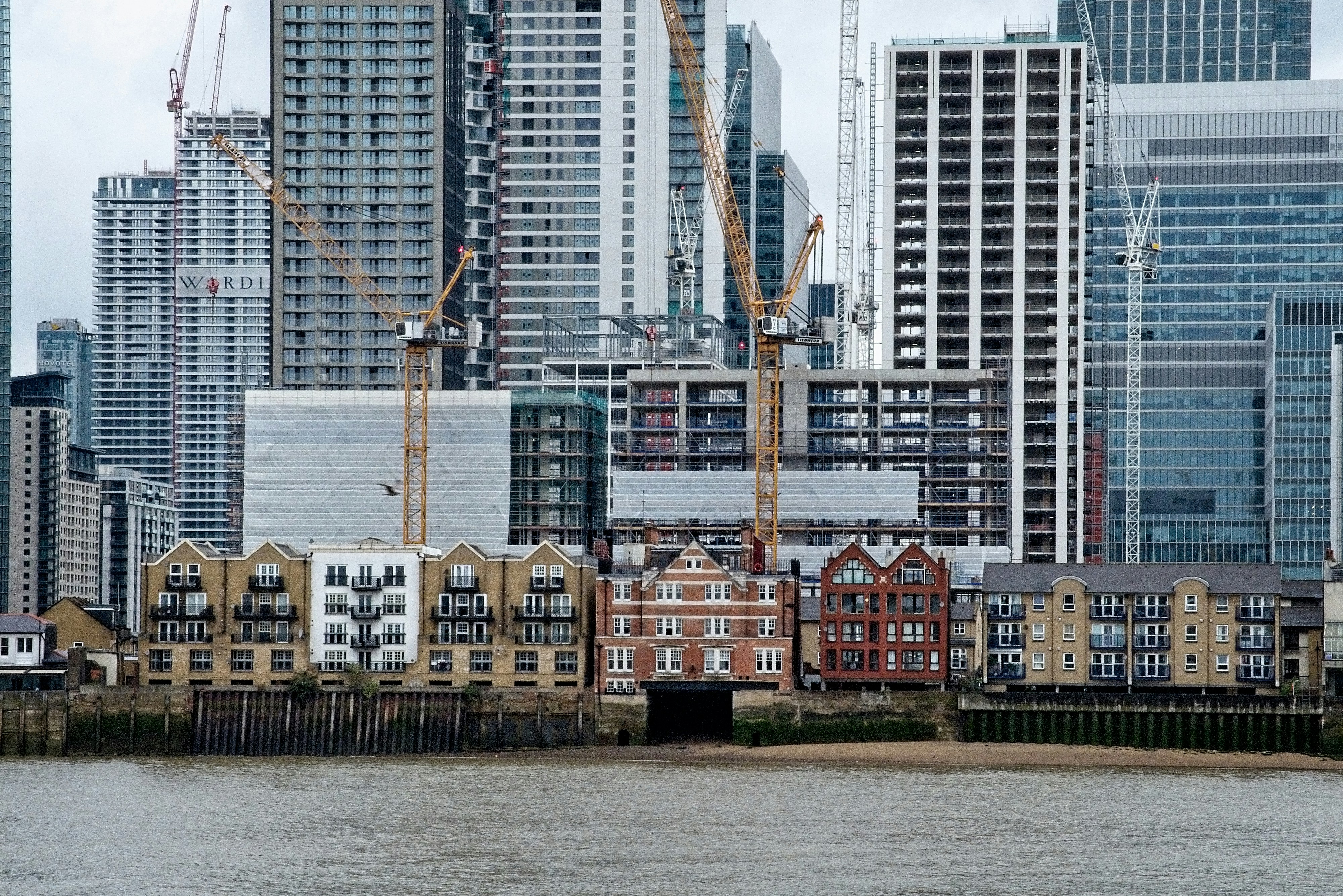
Gentrification is the process of transforming neighborhoods into higher-value areas, leading to more investments and better infrastructure.
It is often seen as a pejorative phenomenon because communities experience cultural erasure as higher-income individuals move in. This can also be seen as an unequal process as lower-income residents have experienced displacement, making them unable to relocate.
Here are examples in which gentrification can happen :
- Investors can change land use to convert the land into new projects.
- A tight housing market can make buyers speculate on the price of formerly overlooked areas.
- Migration can concentrate new populations in attractive areas.
- Investments from local governments in public infrastructure and amenities attract new investments.
- The cultural character can attract affluent residents.
- Lenient regulation and zoning contribute to the speed of change.
What makes it sustainable ?
The simple answer: it’s the opposite of urban sprawl. Reinvesting in existing neighborhoods doesn’t require building new roads, infrastructure or causing deforestation. Older neighborhoods tend to be closer to small businesses and are easier to commute from, reducing dependency on more polluting transportation.
It also responds to the housing shortage problem as the land gets more units than before, creating urban densification.
Sustainability certainly faces challenges as cities need to find ways to preserve culture and find solutions to tenant eviction. Offering the existing residents social housing to keep them in the neighborhood can be a solution.
Other initiatives have taken place in areas like Toronto, for example, where some residents got together to buy certain historic buildings, ensuring they would not be demolished.
In conclusion, gentrification drives economic growth and urban renewal, creating lucrative investment opportunities in redeveloping neighborhoods, provided cultural preservation and equitable housing solutions are prioritized.
How can private investors benefit from it?
- Buy their main home in a gentrifying neighborhood.
- Invest in properties that can lead to redevelopment.
- Start businesses in growing areas.
- Choose cities that permit flexible zoning.
- Follow migration trends.